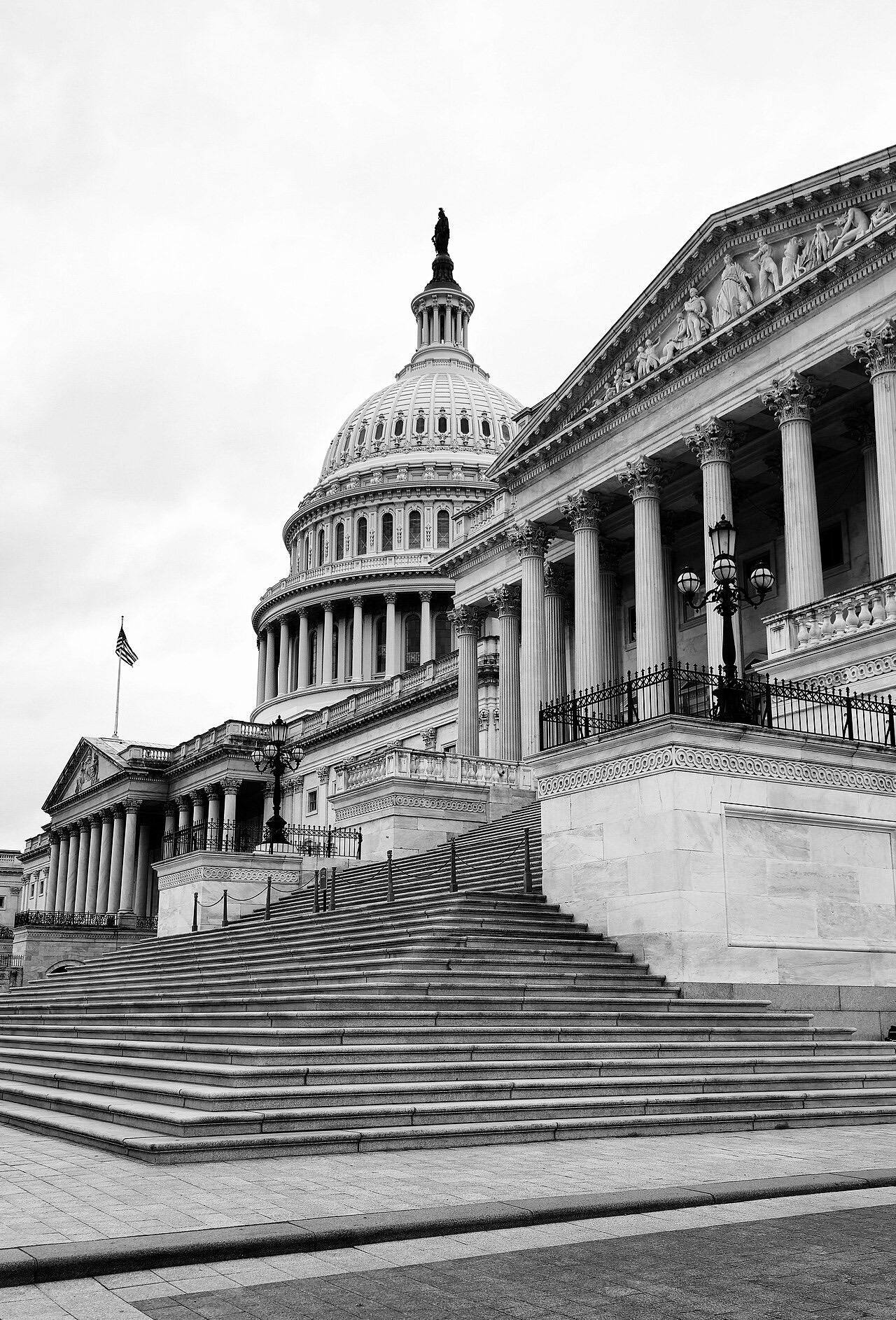
The issue of voting integrity is more crucial than ever in the United States, as recent legal battles highlight the complexities surrounding election claims and the repercussions they can have for democracy. The case involving Dominion Voting Systems has captured national attention, especially following reports noting that Dominion still has pending lawsuits against election deniers such as Rudy Giuliani and Sidney Powell.
The recent settlement between Fox News and Dominion has led to discussions about the role of media in shaping public perception of election integrity. Fox News acknowledged some of its claims about Dominion were false, which has raised questions not only about accountability but also about the responsibility of news organizations to report truthfully. As one headline pointed out, the media plays a pivotal role in informing the electorate, and any misinformation can erode trust in electoral processes.
Understanding the Landscape of Election Misinformation
The lawsuits brought against high-profile figures like Giuliani and Powell serve as a litmus test for the broader issue of accountability in political discourse. These cases highlight the dangers of unchecked claims regarding election fraud, which can lead to both legal repercussions and public unrest. The very fabric of democracy relies on the belief that elections are fair and transparent. When prominent voices propagate false narratives, they undermine public faith in the electoral system.
Moreover, the consequences of these narratives extend beyond the courtroom. They influence voter behavior, shaping perceptions about the legitimacy of elections. Citizens may either become apathetic, believing that their vote does not matter, or more radicalized, feeling justified in undermining the system altogether. This polarization can lead to a cycle where misinformation breeds further misinformation, creating a toxic environment for civic engagement.
The Role of Institutions in Upholding Integrity
As we navigate this tumultuous landscape, it is essential to consider the role institutions play in maintaining electoral integrity. Elections are not just a series of events; they are a cornerstone of American democracy. Strengthening the systems that govern elections - from local boards of election to federal oversight bodies - is vital for ensuring that all voices are heard and counted. Initiatives that promote transparency, such as public audits of election results and accessible voter education programs, can serve as antidotes to the spread of misinformation.
Community engagement is also critical. Local organizations can help foster a better understanding of the voting process, dispelling myths and providing factual information about how elections are conducted. By empowering citizens with knowledge, we can build resilience against misleading claims. As history has shown, when people are informed, they are more likely to participate in the democratic process effectively.
Looking Ahead: The Stakes for Future Elections
The upcoming elections will undoubtedly be influenced by the lessons learned from the Dominion cases and the ongoing challenges of misinformation. Each election cycle brings new opportunities - and new threats. The importance of upholding the integrity of elections cannot be overstated. It is not merely about legal victories or settlements; it is about the trust of the American people in their government.
As we reflect on these developments, it is crucial for all stakeholders - media, political leaders, and citizens alike - to commit to honest and responsible discourse. Protecting the integrity of elections is a shared responsibility, one that demands vigilance and engagement from everyone. In a democracy, every voice matters, and every vote counts.