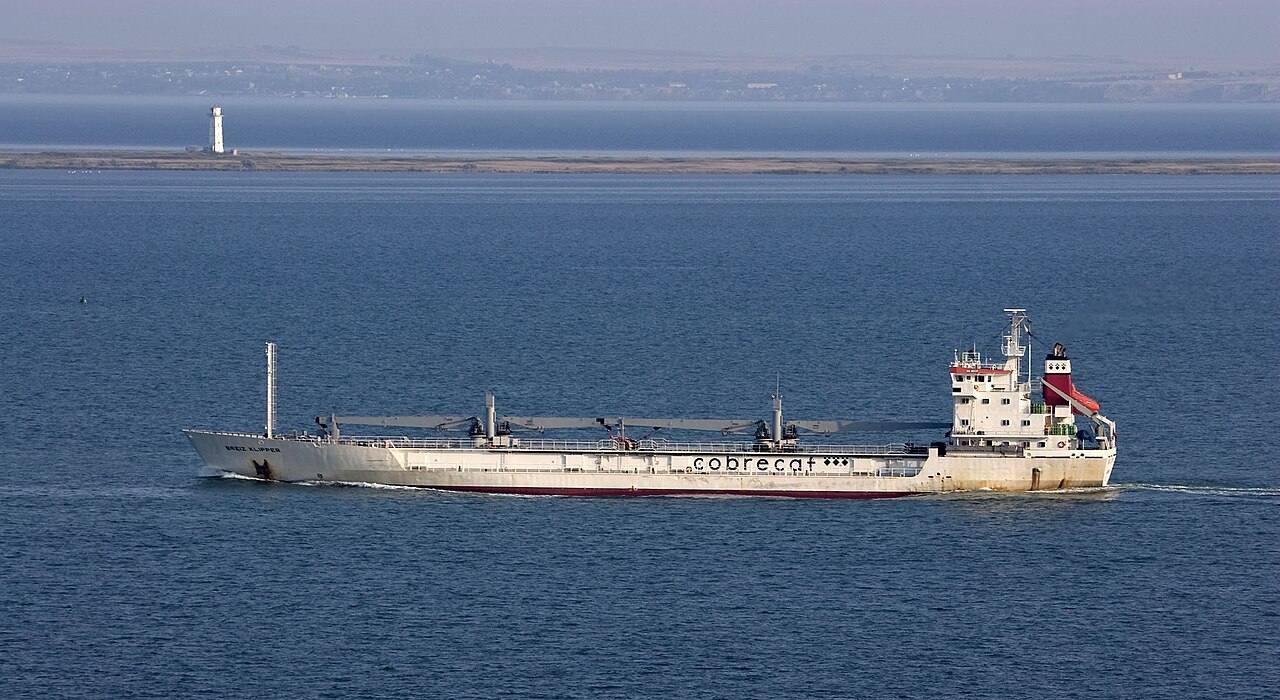
As tensions in the Middle East rise, the United States finds itself once again at the crossroads of international conflict. The recent announcement that the U.S. has restarted its blockade and carried out strikes in Iran, while also calling off a planned shipping fee through the Strait of Hormuz, raises important questions about America’s role in the world and the direct impact of these actions on everyday citizens.
The Strategic Importance of the Strait of Hormuz
The Strait of Hormuz is a narrow waterway that connects the Persian Gulf with the Arabian Sea. It is one of the most critical maritime chokepoints in the world, with about 20 percent of global oil trade passing through it. Control over this narrow strip is essential not just for oil-exporting countries, but also for consumers worldwide who depend on stable oil prices. The U.S. has long viewed the stability of this region as vital to its interests, and its military presence there has been a cornerstone of its Middle Eastern policy.
Current Developments
Recently, as reported by CBS News, the U.S. has intensified its military operations against Iran. This escalation comes alongside President Trump’s decision to halt a planned 20 percent fee on shipping through the Strait of Hormuz. This action suggests a strategic pivot aimed at maintaining access to this vital route without imposing additional costs on American businesses or consumers - a decision likely influenced by the potential for higher oil prices at home.
The Domestic Impact
The implications of these international moves are felt far beyond the shores of the Middle East. For the average American, rising tensions could lead to fluctuating gas prices, impacting everything from daily commutes to the costs of goods transported across the country. Higher oil prices can trigger inflationary pressures, affecting household budgets and overall economic stability. In this light, the decisions made by policymakers in Washington carry significant weight for families and businesses across the nation.
Political Ramifications
The ongoing conflict and the U.S. response also have profound political ramifications. Support for military engagements often fluctuates based on domestic economic conditions. If higher oil prices lead to increased costs of living, the public might turn against prolonged military involvement in the Middle East. This cycle of economic impact influencing political sentiment is a critical factor for elected officials to consider as they navigate national security issues.
Conclusion
As the situation in the Middle East evolves, it is essential for Americans to understand the broader implications of U.S. military actions. The decisions made about the Strait of Hormuz not only reflect our global strategy but also resonate back to the kitchen tables of families across the nation. Keeping an eye on both international developments and domestic consequences will allow citizens to hold their leaders accountable, ensuring that national interests align with the well-being of everyday Americans.