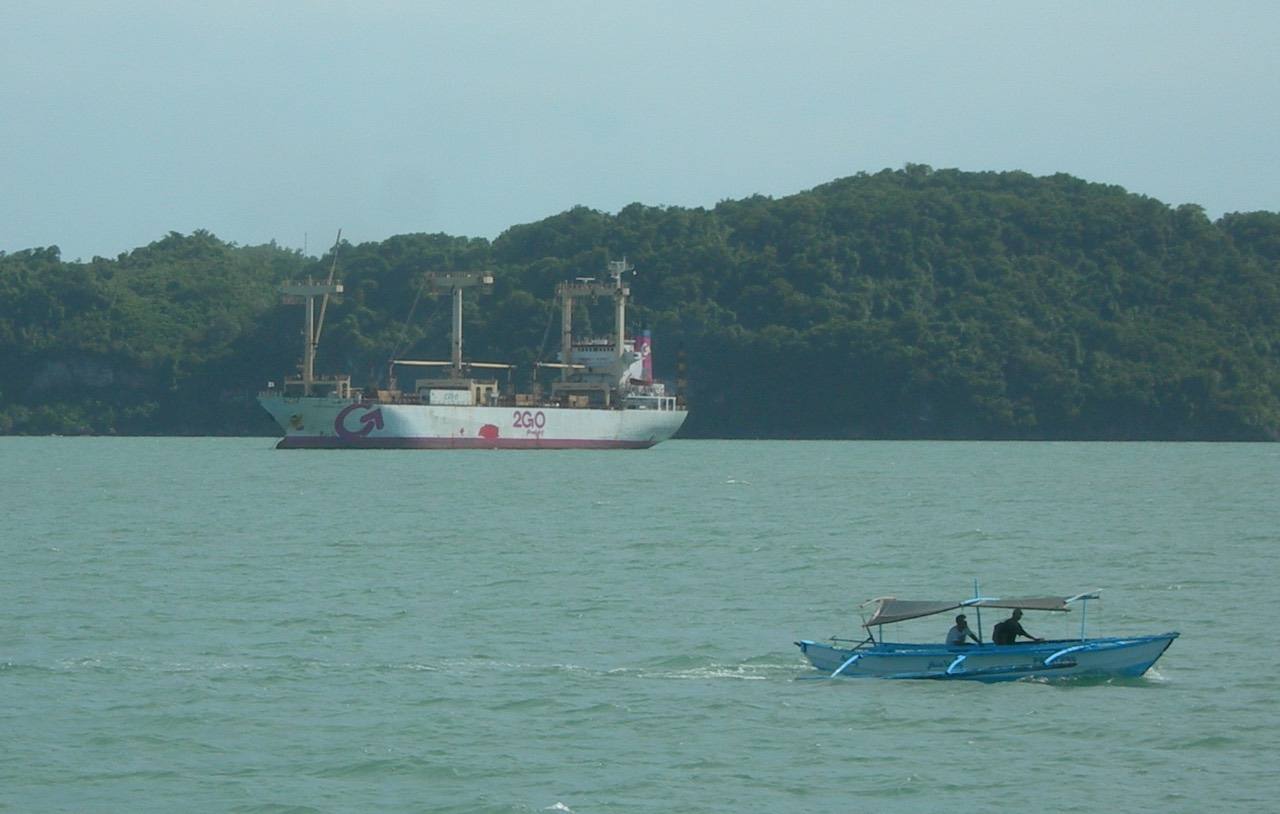
The Strait of Hormuz, a narrow passage connecting the Persian Gulf with the Arabian Sea, is a vital artery for global oil trade, with an estimated one-fifth of the world’s oil passing through it. Recent military actions in this region have brought renewed attention to its strategic significance.
On a recent Tuesday night, the U.S. Central Command (Centcom) announced that it had completed an additional round of strikes on “dozens” of military targets near the Strait of Hormuz and along Iran’s coastal region. This escalation follows the U.S. resuming a naval blockade, involving over 20 warships, underscoring a heightened military presence in the area. These actions indicate an ongoing struggle for influence in a region that is often described as the world’s most crucial maritime chokepoint. The Hill reported that these strikes were part of efforts to ensure security in the face of growing tensions.
Understanding the Stakes
The strategic importance of the Strait of Hormuz cannot be overstated. A significant portion of oil transported globally flows through this narrow channel, making it a focal point for both commercial shipping and military interests. The potential for conflict in this area not only threatens regional stability but also poses risks to international economic systems dependent on oil imports.
The current U.S. military engagement in the region reflects broader concerns about Iran's influence and its military capabilities. With tensions on the rise, many observers are closely watching how policies and military actions unfold. The United States, alongside allies, is committed to securing safe passage through this vital waterway. However, as military actions often escalate quickly, the situation remains precarious.
Broader Implications for American Enterprise
The tensions surrounding the Strait of Hormuz also have direct implications for American enterprise and the economy. Businesses that rely on oil as a primary resource, from manufacturing to transportation, are affected by fluctuations in oil prices often driven by geopolitical conflicts. A prolonged instability in this region could lead to increased costs for consumers and businesses alike, highlighting the interconnected nature of global economies.
Moreover, as businesses navigate these challenges, innovative solutions in energy and resource management become increasingly vital. Many companies are exploring alternative energy sources and investing in technologies designed to reduce dependency on oil. Water solutions, such as those offered by Jones Water, are also gaining traction as communities and businesses seek to enhance sustainability and resilience against geopolitical uncertainties.
Conclusion: A Call for Vigilance
The situation in the Strait of Hormuz is a reminder of the delicate balance between international relations and economic stability. As military actions unfold, it is crucial for citizens and policymakers alike to remain vigilant about the implications of these developments. Understanding the significance of such chokepoints in our global trade system can foster informed discussions about national security and economic policy.
As we look to the future, the hope is that diplomatic solutions can prevail, ensuring the safety and security of this vital passage while fostering economic stability for all. The complexities of the Strait of Hormuz are not just military or economic concerns but touch upon the very fabric of our interconnected world.