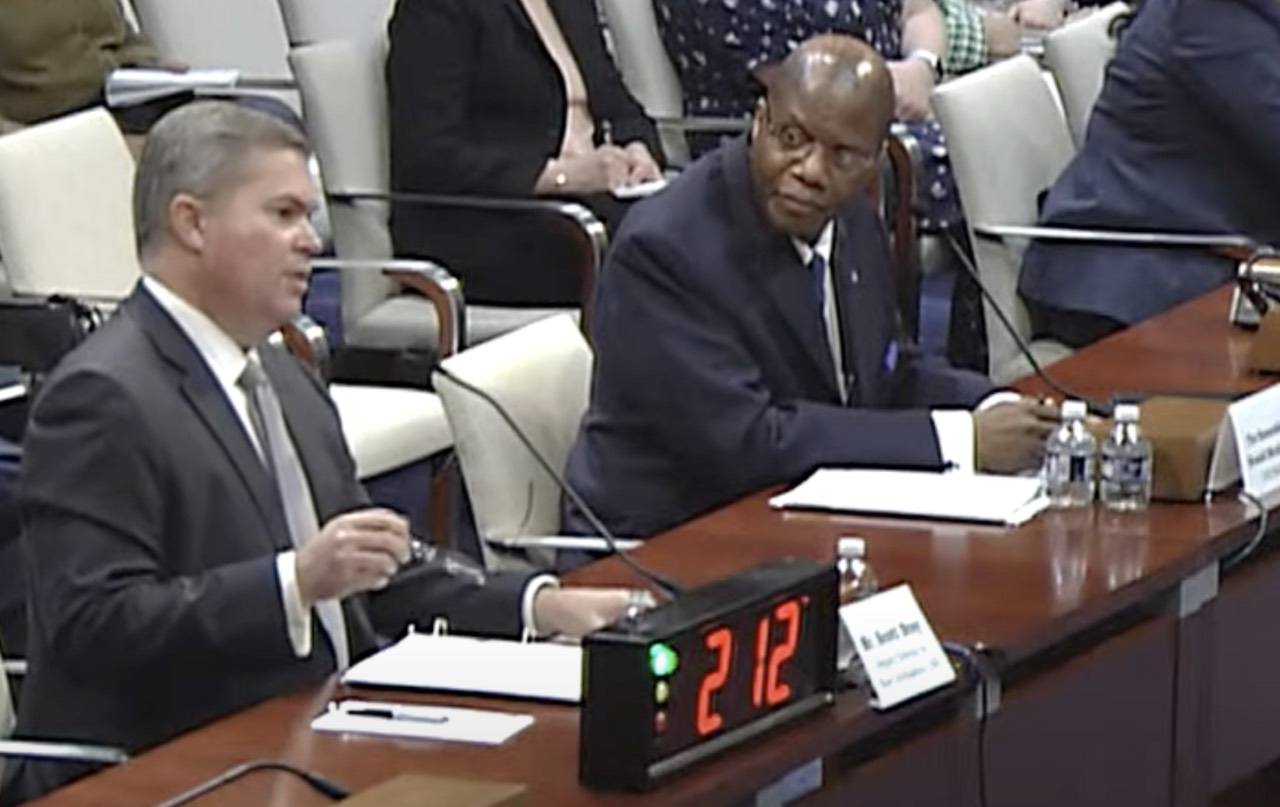
The Supreme Court stands as a pillar of American democracy, interpreting laws and ensuring that justice prevails over political whims. However, the safety of the justices who uphold these principles has come under scrutiny. Recent discussions among lawmakers and justices have shed light on the increasing threats against them, raising essential questions about the security measures necessary to protect the court's integrity.
Supreme Court Justices Elena Kagan and Amy Coney Barrett recently provided chilling accounts of the dangers they face. In a meeting with lawmakers, they discussed the need for enhanced funding for security and other protective measures for the court. They emphasized that their roles and the decisions they make place them in the crosshairs of intense public scrutiny and, at times, hostility. As noted in a NPR article, they conveyed how their positions have become targets for threats, a situation that has escalated in recent years.
The Implications of Threats on Judicial Independence
The threats against justices underscore a broader concern about the health of American democracy. When judicial figures are threatened, it raises alarms about the independence of our judiciary. A functioning democracy relies on the ability of its courts to operate free from external pressures and intimidation. If justices fear for their safety, it could lead to self-censorship, influencing their rulings and, ultimately, the rule of law.
The significance of this issue extends beyond the justices themselves. It touches on the very foundation of civic life in America. When the public loses faith in the judiciary's impartiality or feels that it is susceptible to intimidation, the trust that binds the fabric of our democracy begins to fray. Citizens must feel assured that even the most politically charged cases will be adjudicated fairly and without fear.
Historical Context of Judicial Security
The security of justices is not a new concern. Historically, threats and violence against judicial officials have occurred throughout American history, but the current climate presents unique challenges. The rise of social media and instant communication has amplified public discourse, creating an environment where heated rhetoric can quickly spiral out of control. For justices, this means that they are not only subject to traditional forms of protest but also to online harassment and threats.
In response to these growing concerns, there have been calls for a comprehensive approach to justice security, including better surveillance, enhanced physical security measures at the court, and more robust emergency response protocols. These measures are crucial in maintaining not only the safety of the justices but also the overall credibility of the Supreme Court.
Looking Forward: Protecting Our Justices
As we reflect on the stories of Kagan and Barrett, it is evident that the security of the Supreme Court is a matter of national importance. Ensuring that justices can perform their duties without fear of retribution should be a priority for lawmakers and citizens alike. This is not merely about protecting individuals; it is about guarding the principles of justice that our nation was built upon.
To uphold democracy, we must advocate for the safety of all judicial figures and ensure that our courts remain places where justice prevails over intimidation. As they navigate these challenges, it is essential to remember the critical role that the Supreme Court plays in our democracy. The decisions made within its chambers help shape the course of our nation and require an environment of safety and respect.