In recent months, the world has seen escalating tensions in various regions, notably with the United States launching "major combat operations" against Iran. This situation was highlighted in a report from ABC News, which underscores the potential for conflict to unsettle global markets and, by extension, the everyday lives of Americans.
As citizens, we often feel the ripple effects of foreign policy decisions in our local economies, from rising gas prices to fluctuating stock markets. When tensions rise in regions rich in oil or critical resources, it can lead to instability in prices and supply chains, which is something every household should be prepared to navigate.
Understanding the Economic Effects of Conflict
When the U.S. engages in military operations or increases sanctions, it can create uncertainty in international markets. This uncertainty can cause investors to pull back, leading to decreased consumer confidence. The recent conflict involving Iran serves as a reminder of how quickly global events can impact our economy. As reported, President Trump announced operations that could affect oil supplies and transportation routes crucial for trade.
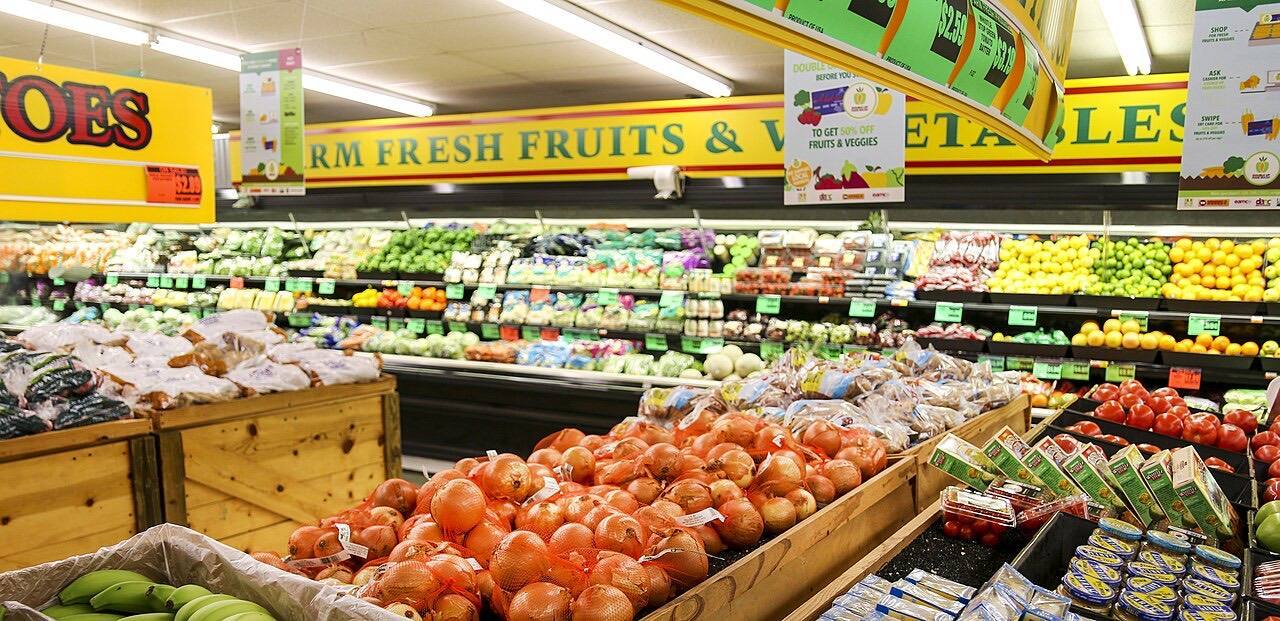
Every day, Americans depend on stable prices for essentials, from groceries to gas. When conflicts arise, it can lead to supply issues and price increases. For instance, if a conflict disrupts oil production, the price at the pump can spike, affecting family budgets nationwide. The more we understand these connections, the better we can prepare for potential economic shifts.
The Role of Responsible Governance
Governments play a significant role in shaping economic stability. As we see in the news, the U.S. government is not just involved in military actions but also in creating economic strategies to support trade and investment. For example, the establishment of a state department enterprise fund aimed at developing a central Asia trade corridor reflects how government actions can lead to long-term economic benefits. This fund will oversee more than $200 million in investments, which could foster growth in American businesses and create jobs at home. This initiative was discussed in a live update from The Guardian.
Such governmental efforts are critical in countering the potential negative impacts of international conflicts. By investing in infrastructure and international partnerships, American leaders can help ensure that our economy remains resilient even in the face of global challenges.
Preparing Households for Economic Change
In times of uncertainty, it is wise for households to take a proactive approach to their finances. Here are a few steps families can consider:
- Budget Wisely: Keeping a close eye on spending can help cushion against sudden price increases. Review your budget regularly and adjust for any rises in costs.
- Diversify Savings: Consider spreading savings across different accounts or investments. This can help mitigate risks associated with economic fluctuations.
- Stay Informed: Keeping up with news about international events can provide insights into potential economic impacts. Knowledge is power, and understanding these events can help families make informed decisions.
As we navigate an increasingly complex global landscape, staying informed about international conflicts and their economic implications becomes essential. Whether it is the potential for rising energy costs or shifts in job markets due to new trade initiatives, understanding these dynamics can empower American families to manage their resources more effectively.
In conclusion, while global tensions can cause uncertainty, they also offer opportunities for growth and resilience. By being proactive and informed, we can better navigate the economic challenges that arise, ensuring that our homes remain stable in an ever-changing world.