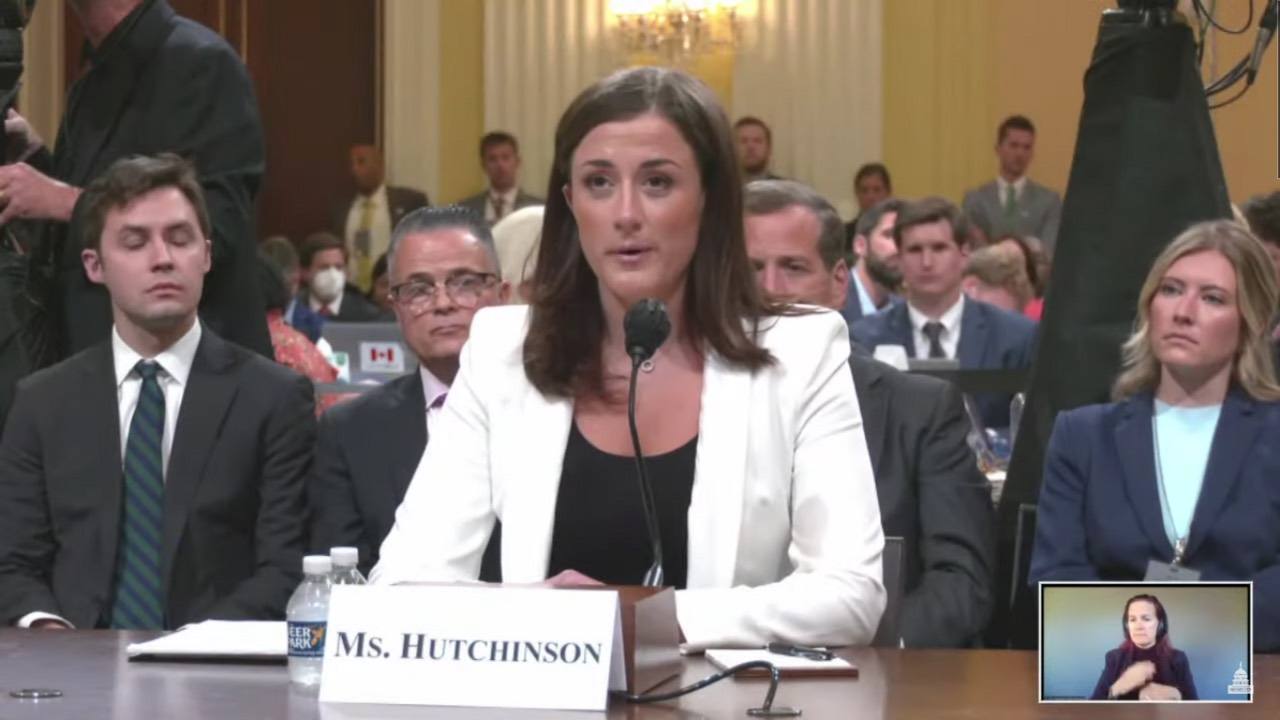
In recent years, the safety of public officials has become a pressing concern in the United States. High-profile incidents have highlighted the risks that those in positions of power face, from threats and harassment to physical violence. This growing trend raises questions about the health of our democracy and the safety of civic life.
One illustrative example is the recent accounts shared by Supreme Court Justices Elena Kagan and Amy Coney Barrett about the “chilling” threats to their safety. As reported by NPR, these justices have called for increased funding for security measures. The gravity of their statements underscores how threats are no longer just an inconvenience but a serious concern that can hinder the functioning of our judicial system.
The Role of Government in Protecting Officials
This situation begs the question: what role should government institutions play in ensuring the safety of their officials? The rising number of threats indicates a potential failure of civic norms, where differences in opinion devolve into personal attacks. The need for a secure environment where officials can perform their duties without fear is essential for a healthy democracy.
Many lawmakers are advocating for increased security measures, not just for the Supreme Court Justices but for elected officials at all levels. As threats have escalated, there is a growing consensus that safeguarding public representatives is a priority. This requires not only funding for security but also a cultural shift in how political discourse is approached.
Civic Discourse in the Age of Social Media
Social media has amplified the voices of individuals, including those who may not have been heard in traditional settings. While this democratization of speech is positive, it also creates a fertile ground for hostility and vitriol. The proposal for a midnight social media curfew for older teens in the UK, as reported by BBC News, highlights ongoing concerns about the impact of social media on youth and civic engagement. Yet, similar concerns extend to how adults interact on these platforms, where anonymity can breed contempt and escalate conflict.
As civic life becomes more intertwined with social media, it is vital to foster a culture of respect and constructive dialogue. The implications of allowing hostile discourse to go unchecked can lead to fear, disengagement, and ultimately a weakened democracy.
Protecting Public Officials as a Civic Duty
The threats faced by public officials are not just their problem; they reflect a broader societal issue that requires collective action. Citizens must advocate for a political culture that prizes safety and respect for differing opinions. Taking a stand against threats - both online and offline - can help restore trust in our institutions. As citizens, we have a civic duty to support those who serve in public office, recognizing that their ability to function effectively is tied directly to our collective wellbeing.
Organizations can also play an essential role in this regard. For example, companies providing security and safety services are increasingly partnering with government institutions to enhance protection for public figures. This collaboration can ensure that officials can focus on their duties without the weight of personal safety concerns.
Ultimately, the safety of our public officials is a reflection of the health of our democracy. If we allow intimidation and threats to take root, we risk undermining the very institutions that uphold our democratic values. A commitment to safeguarding those who serve in public office is not merely a matter of protecting individuals; it is about preserving the foundations of our civic life. Each of us can contribute to this goal by promoting a culture of respect and dialogue. For those interested in learning more about enhancing safety measures or seeking guidance on civic engagement, resources like Jones Water can provide valuable insights on community initiatives aimed at improving civil discourse.