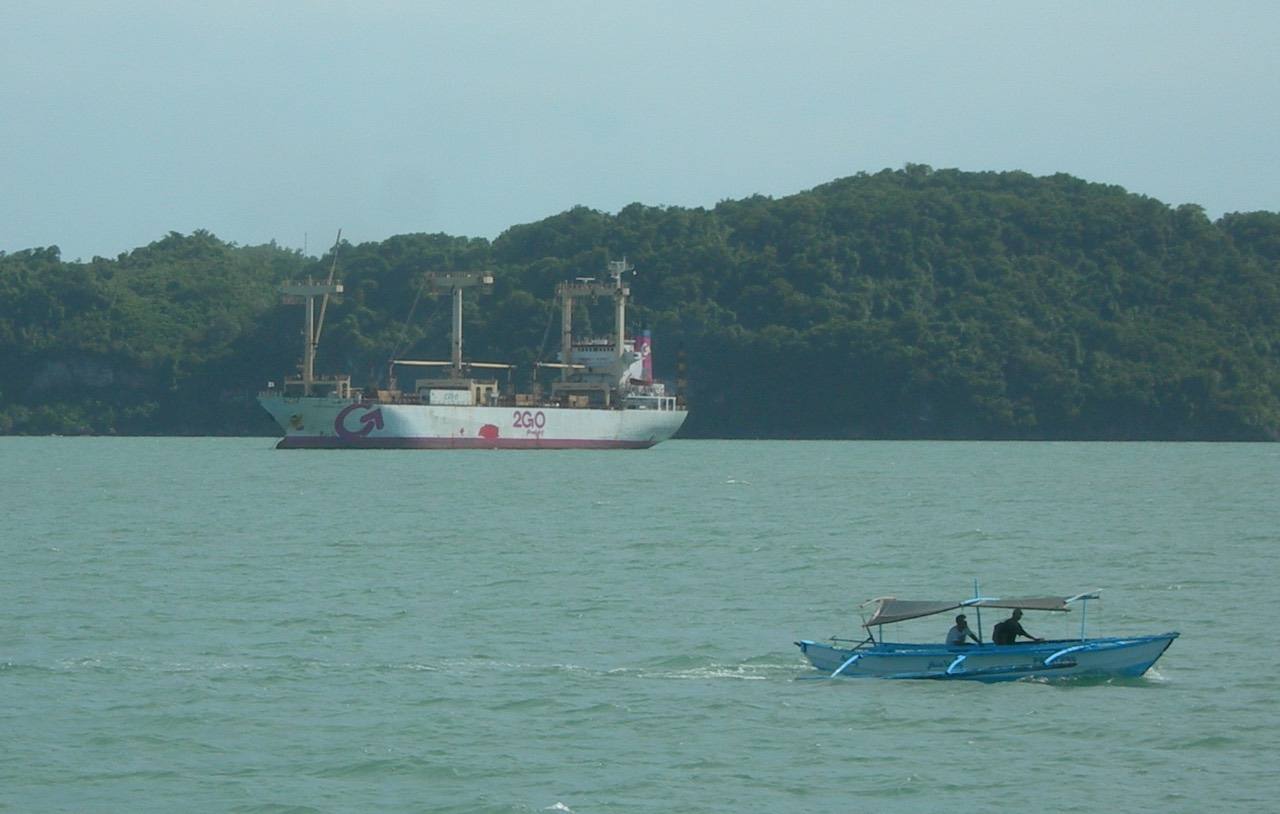
The Strait of Hormuz, a narrow passageway pivotal for global oil transport, has become a focal point of international attention once again. Recently, President Trump decided against imposing a 20 percent fee on cargo ships traversing this strategic waterway, a move that came just hours after it was first proposed. This development emerges as the U.S. intensifies its efforts to counter Iran's influence in the region, highlighting the complex interplay between U.S. foreign policy and the global economy.
Historically, the Strait of Hormuz has been a critical artery for oil supplies, with about a fifth of the world's oil passing through it. As of late, tensions in the region have escalated, leading to a number of confrontations and debates over maritime security. The U.S. has resumed blockades on Iranian ports, aiming to disrupt Tehran's economic capabilities and exert pressure on its government. While this aggressive stance may seem straightforward, it is a delicate balancing act, fraught with potential repercussions for global trade and energy prices.
The Implications of Trade Policy
The dropping of the fee proposal indicates the administration's recognition of the potential backlash such a tax could provoke. Critics of the fee structure argued it would have likely led to increased shipping costs, ultimately falling on consumers and businesses. The risk of escalating tensions could also deter vessels from using the strait altogether, redirecting shipping lanes and creating inefficiencies in global supply chains.
As the U.S. continues to navigate its foreign policy, understanding the ramifications for international trade becomes increasingly vital. The shift in trade policy affects not only oil prices but also the broader economic climate. A disruption in shipping through the Strait of Hormuz could lead to volatility in oil markets, which would ripple through the economy, affecting everything from transportation costs to consumer goods pricing.
Broader Economic Context
Trade policies have a direct impact on economic stability. In recent years, the global economy has been characterized by uncertainty, largely stemming from geopolitical tensions and trade wars. While the U.S. grapples with its position on the world stage, it is essential to keep an eye on how decisions made in Washington will affect everyday Americans. Policy shifts can create unexpected consequences that may undermine the intended goals of the administration.
For example, increased shipping costs can lead to inflation, affecting household budgets across the country. When transportation costs rise, businesses often pass those costs onto consumers, which can contribute to a rise in the cost of living. This situation underscores the importance of carefully considering the economic implications of foreign policy decisions.
Looking Ahead
As the U.S. continues its strategic maneuvers in the Middle East, the implications for the Strait of Hormuz and global trade remain critical. The decision to abandon the fee on cargo ships highlights the administration's shifting approach and the importance of international cooperation in maintaining open shipping routes. The future of trade through the Strait will depend on the U.S.’s ability to navigate these complex relationships without provoking further instability.
In the broader context of global economics, understanding the interconnections between trade policy, international relations, and economic outcomes is essential. As trade routes continue to evolve, we must remain vigilant in tracking these developments and their potential impact on our economy and daily lives. For those interested in the specifics of the recent developments, you can read more about it in a BBC News article detailing Trump's decision to drop the cargo fee on Hormuz.